
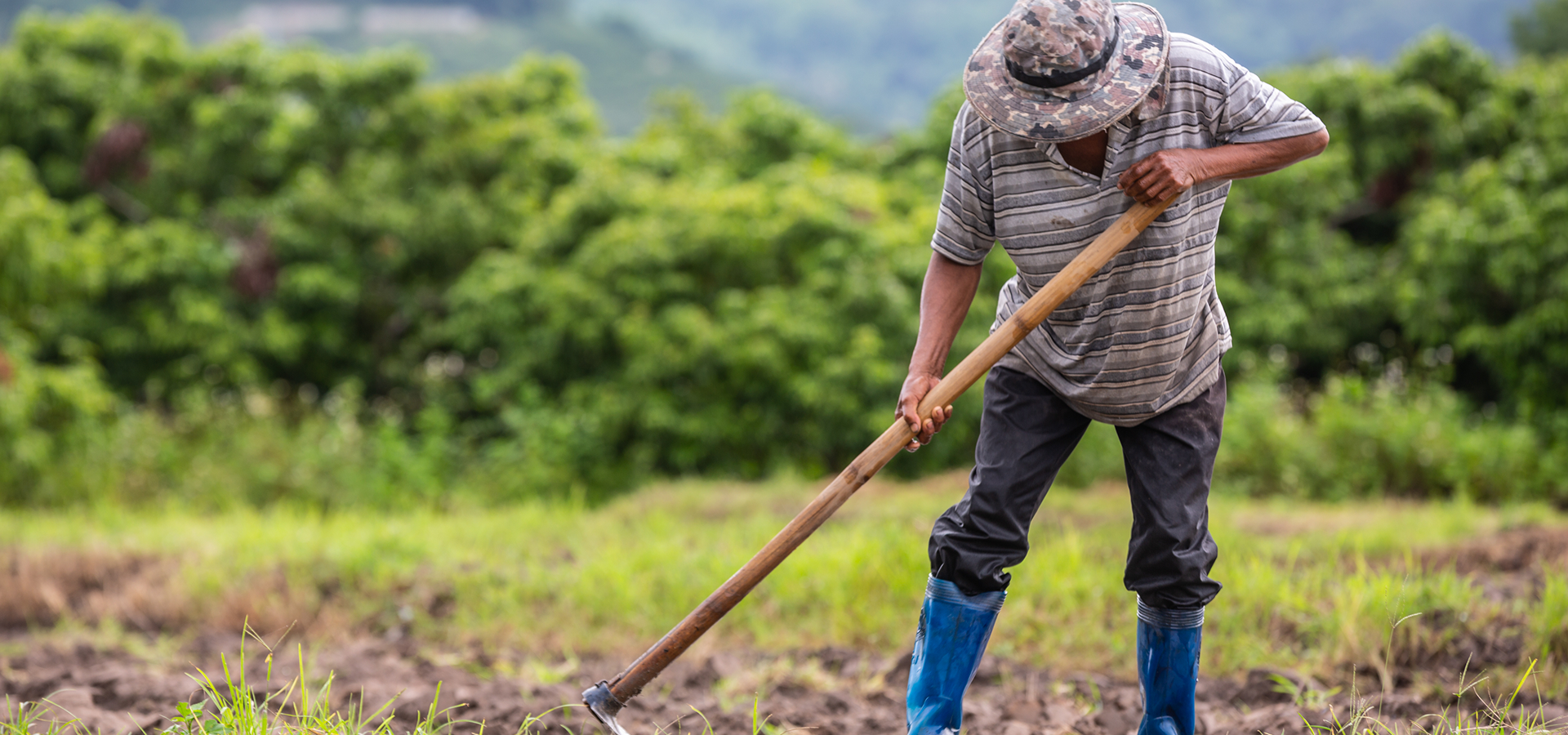
When digging is never excessive, or is it?
Much is being said, suggested, or otherwise advised over internet and elsewhere about gardening, how to dig, when to dig, or the opposite: Never dig! Some ideas have been written proposing a “back to Eden” approach, where no digging at all is necessary.
Although I do agree with some of the basic tenets of this approach, I would also say that it depends. Depends on the type of soil, relates to the type of weather, and of course it depends on the type of plant you want to grow.
Less Work?
The idea of no digging -while attractive on its own because less work is involved- also poses problems of its own.
It overlooks the development traits of particular plants or crops. I you want ferns, the spores will just do well on the surface of soil with no digging or other preparation; but if you want potatoes, good luck with no digging.
When I was growing up, my family and most of my extended family -uncles and aunties, cousins, and their own families, were farmers, or somewhat connected to farming. We -and I use the term in a relaxed “we” way, as I was just a child- used to grow just about everything that was consumed in the house. Among the few things that were bought from stores, were flour, sugar and not very often oil (animal fat, and butter were mostly used).
This story is just an example of when digging is the way to go.
Enter Uncle Leopold
He owned a cheese making facility, (Ricotta true process will make for another story) and when he was not making cheese, the family were busy planting, and growing food for the household.
One year, he decided to go the extra mile -and the extra inches deep- and plowed the field for potatoes, raked it, and prepared it. And then, he plowed it again. And just then, he plowed it again, giving the soil a bit of rest in between plow-sessions. Nobody in the family had ever done that, so he wanted to experiment and see what results he would get.
He sowed a sack of potatoes (50 kilos -or about 100 pounds- to a sack). Then the usual, watering, some weeding, and keeping an eye on plant development to avoid setbacks or pests, or any such.
Surprise at Harvest Time
At harvest time he surprised all the family with the results of his simple experiment. He was himself surprised as he expected results but this much!
He harvested sixteen sacks of potatoes -good sized potatoes, as well- from the one sack he planted. That was 1600 %, innit? Sixteen hundred pounds of potatoes out of one hundred pounds sowed. (Keep in mind that the average is 5 to 10 pounds -more on the side of 5 in the home garden- to a pound of seed potatoes).
I will write more about digging vs not digging, and about the types of plants we can grow with each option. For now, I just wanted to encourage you to find the options that works best for what you want to grow, even when it means more work, because the results can be so amazing.
On a side note, in the garden of Eden, at first there was no rain, just a dew watering the grass, and there is one verse in Genesis that gives us an interesting point: There was no need for rain because “there was no man to till the ground”.
Jay Cymru
No responses yet